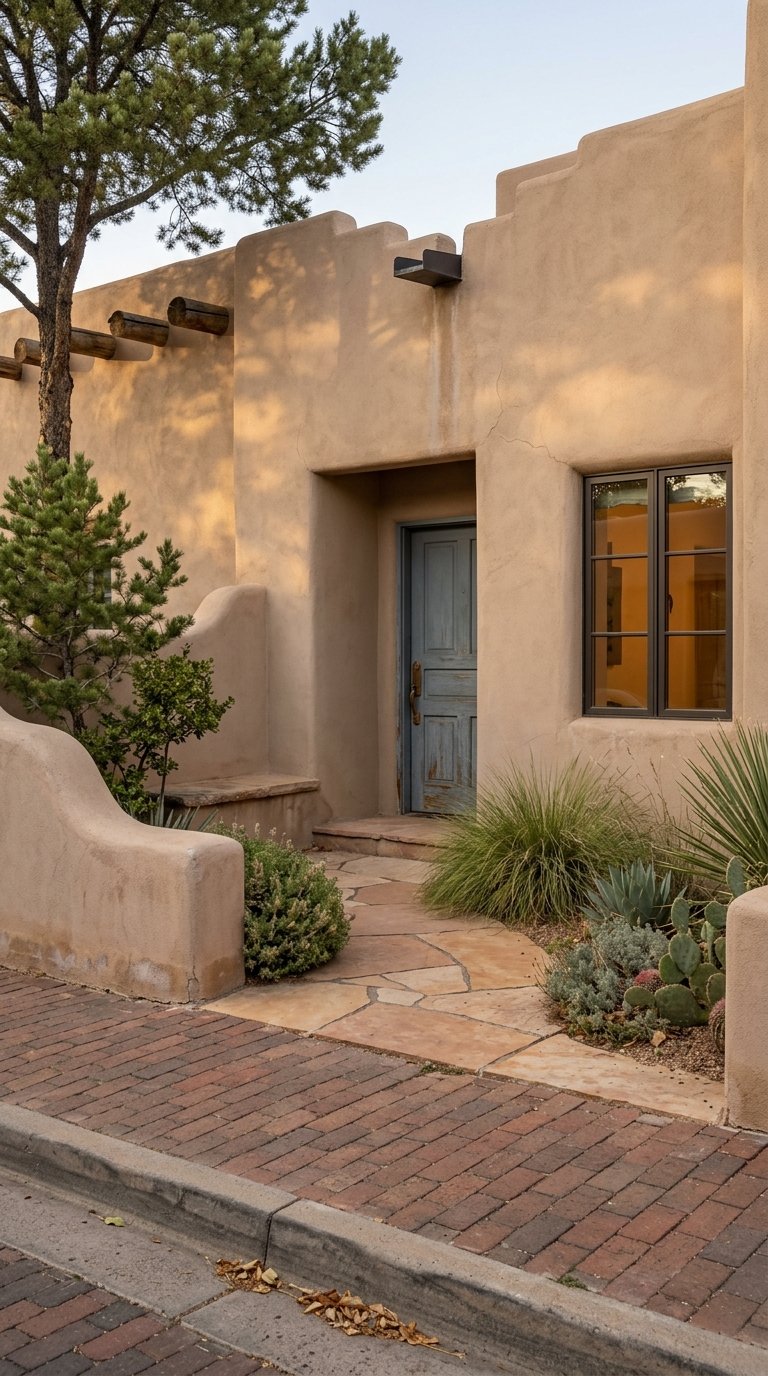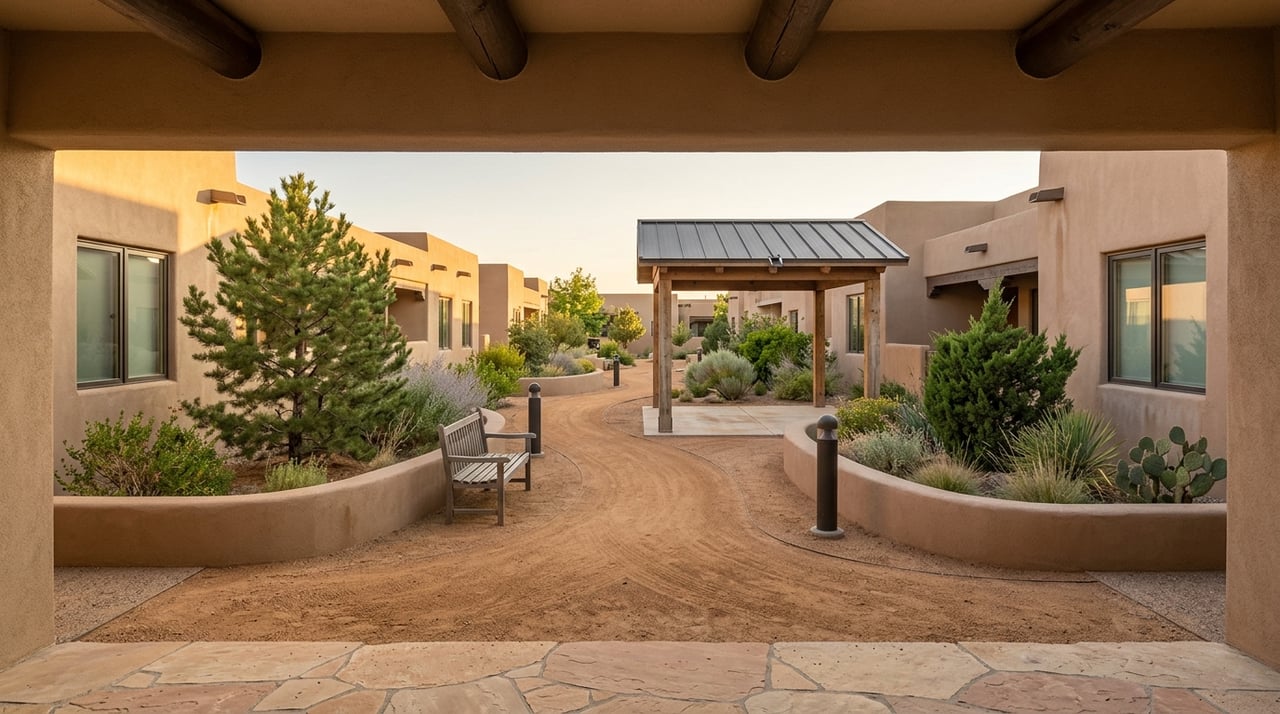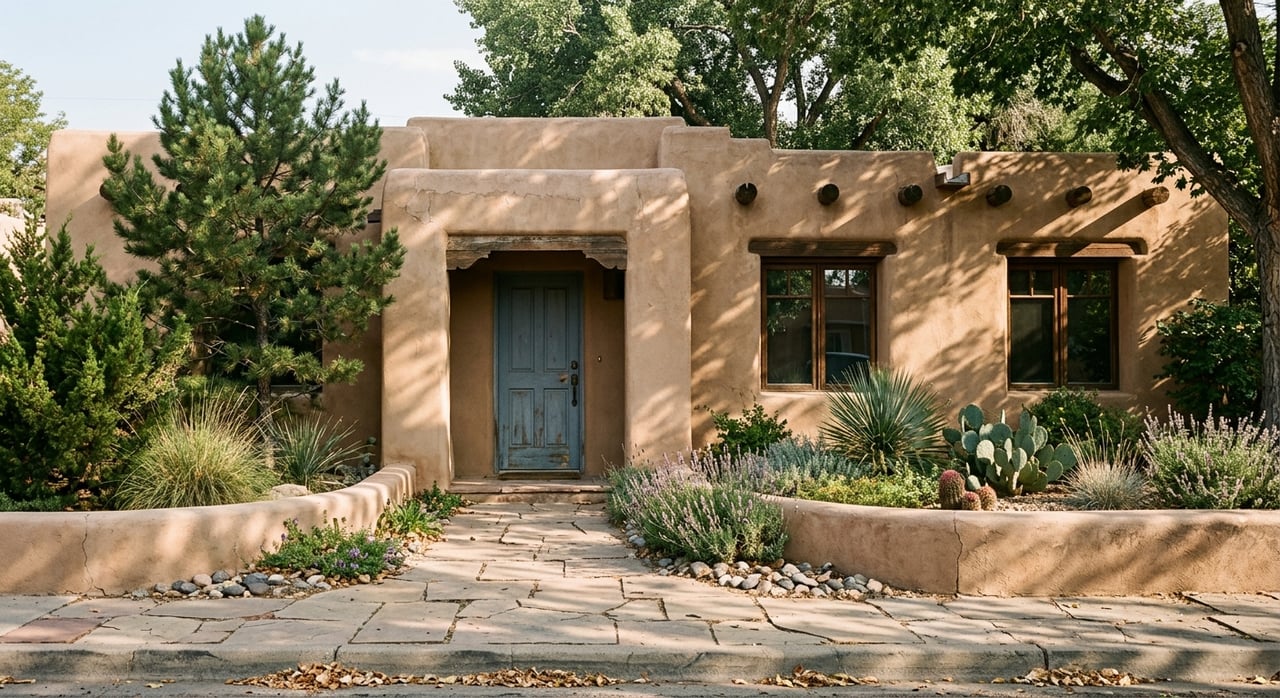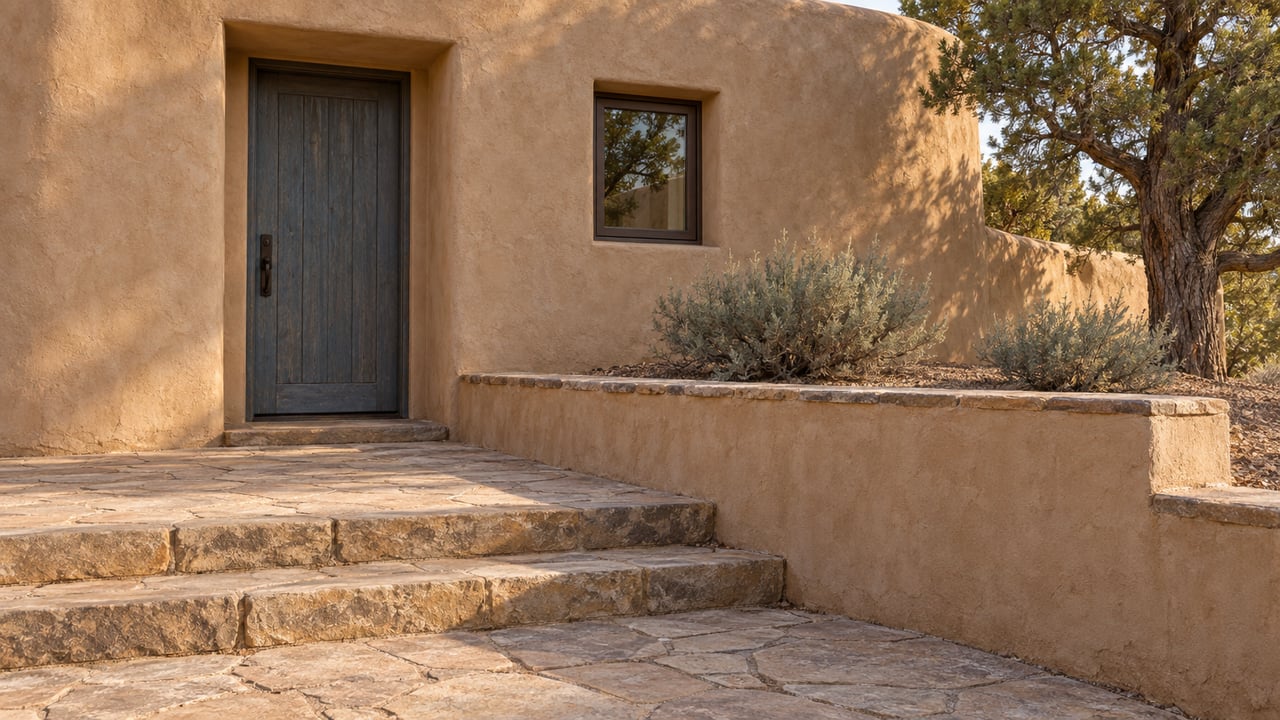
Pull up two Tesuque listings on the same afternoon and you'll likely see the same three words on both: water rights included. One property is a half-acre lot along Bishop's Lodge Road. The other is a multi-acre parcel near the river with mature cottonwoods and room for an orchard. Both promise the same thing. Neither listing tells you the one fact that actually determines what that promise is worth: the year the well was permitted.
That single date, not the acreage, not the square footage, not even the price, is what separates a water right that covers a horse pasture and a vegetable garden from one that covers nothing but the kitchen tap.
The Standard Cap Isn't the Tesuque Cap
New Mexico's baseline domestic well permit, filed under state law as a 72-12-1 application, allows a household to draw up to three acre-feet of water a year for indoor use plus irrigation of up to one acre of noncommercial trees, lawn, or garden. That's the number most buyers picture when a listing says "water rights included." It's also appurtenant to the land, meaning the right travels with the deed rather than being something a seller can carve out and sell separately.
But Tesuque doesn't sit under the standard rule. It sits inside the Nambé-Pojoaque-Tesuque basin, one of the oldest and most contested water fights in the country, and the basin has its own math.
One Date Splits Every Well in the Valley
The case that governs water in this basin, State of New Mexico ex rel. State Engineer v. Aamodt, was filed in federal court in 1966. It took until July 14, 2017 for the court to enter a final judgment and decree settling the water rights of the Pueblos of Nambé, Pojoaque, San Ildefonso, and Tesuque alongside non-Pueblo well owners in the stream system. Fifty-one years is a long time for a legal question to sit open over a valley full of working wells, and the settlement that finally closed it drew a hard line based on when a well went into the ground.
Wells permitted in the basin before 1983 generally carry the full three-acre-foot allowance, usable indoors and out. Wells drilled after that date are treated differently: limited to indoor domestic use only, with an annual cap set well below one acre-foot. A pre-1983 well can keep a lawn green and a row of fruit trees alive. A post-1983 well, in the same basin, on a comparable lot, often can't.
| Well permitted before 1983 | Well permitted after 1983 | |
|---|---|---|
| Typical annual cap | Up to 3 acre-feet | Under 1 acre-foot |
| Approved use | Indoor and outdoor (irrigation of up to 1 acre) | Indoor domestic use only |
| Priority in a shortage | Generally senior within the basin | Generally junior, subject to Aamodt basin administration |
None of that shows up in a listing photo of a well house. It shows up in a permit filed with the Office of the State Engineer, and it's worth pulling before you write an offer, not after.
A Second Pipe Is Being Built Through the Valley Right Now
The well permit date isn't the only moving piece. Santa Fe County, the State of New Mexico, the U.S. Department of the Interior, and the four Pueblos are jointly building the Pojoaque Basin Regional Water System, a project that will divert water from the Rio Grande and eventually deliver up to 2,500 acre-feet a year to Pueblo and non-Pueblo customers across the basin, Tesuque included. According to the county's quarterly progress report published June 30, 2026, Phase 1 construction was roughly 80 percent complete, with a targeted finish of August 2027. Phase 2 is fully designed but currently on hold pending a realignment review, and Phase 3, which covers the actual distribution lines that would reach individual properties, is only 30 percent designed.
The detail that matters most for anyone shopping in Tesuque specifically: engineers have designed a T-junction into the project near the Village of Tesuque, the point where the regional system will tie into the existing Santa Fe city water system. That makes Tesuque, in a fairly literal sense, the seam between two water networks rather than a place fully inside either one.
The Form That Decides Where the Pipes Actually Go
Connecting to the new system doesn't require giving up a private well. Santa Fe County's own guidance is direct: a homeowner can keep a well for outdoor use and add the municipal connection for indoor use, giving a property two sources instead of one. But that dual setup only happens if the landowner files an Acceptance and Well Election Form with the federal district court overseeing the settlement. The county has already run an open house in Pojoaque to walk residents through the paperwork, and additional open houses are planned for 2026 specifically in Nambé and Tesuque.
This is the part of the story that separates it from a routine infrastructure update. Because Phase 3 design work is still underway, county staff are actively mapping where the completed Well Election Forms cluster and using that data to help decide where the distribution lines actually get built. A property owner filing that form isn't just securing a hookup for their own house. They're casting a vote, in effect, on whether the pipe reaches their street at all. A Tesuque parcel with a filed election sitting near a cluster of neighbors who did the same has a materially better shot at service in this phase than one sitting alone.
What to Ask Before You Compare Two Listings
Given all of this, "water rights included" on a Tesuque listing sheet is really shorthand for at least three separate questions, and none of them are answered by the phrase itself.
First, what year was the well permitted. A well from 1975 and a well from 1995 can sit forty feet apart and carry entirely different rights under the Aamodt decree. The permit date is public record with the Office of the State Engineer, and it's worth requesting before an inspection period closes, not after.
Second, has a Well Election Form been filed for this parcel. If the seller has already opted into the regional system, the buyer may be inheriting a dual-source property with both a well and an eventual municipal tap. If no form has been filed, that decision, and the timeline uncertainty that comes with Phase 3 still being in design, becomes the buyer's to make after closing.
Third, whether the property relies on a shared well. Several Tesuque parcels split a single well across two or more deeded lots, which adds a layer of shared maintenance and allocation on top of whatever the underlying permit allows. That arrangement is common enough in the valley that it deserves its own line of questions during due diligence, separate from the acre-foot conversation entirely.
None of this is a reason to avoid Tesuque. It's a rural valley with a working river system, real acreage, and a water history that predates almost every other legal question in Santa Fe County real estate. But the property's price range, from smaller in-village homes to multi-acre estates well into seven figures, reflects a market where the underlying water arrangement varies as much as the architecture does. The number that actually prices that variation isn't printed anywhere on the listing sheet.
A Few Questions Buyers Ask Us Directly
Can I look up a well's permit date myself? Yes. The New Mexico Office of the State Engineer maintains a public water rights reporting system that includes well permits and points of diversion for the state, searchable before you ever make an offer.
If I connect to the regional water system, do I lose my well rights? No. County guidance confirms a property can keep its well for outdoor use while adding a municipal connection for indoor use, provided the required election paperwork has been filed.
Does every Tesuque property eventually get connected? Not automatically. Phase 3, which covers the lines reaching individual homes, is still in design, and where those lines get built depends in part on how many nearby property owners have already filed their Well Election Forms.
If you're comparing Tesuque properties and want someone who checks the permit date before the inspection period instead of after, The Santa Fe Realtors can walk the paperwork with you before you write an offer.