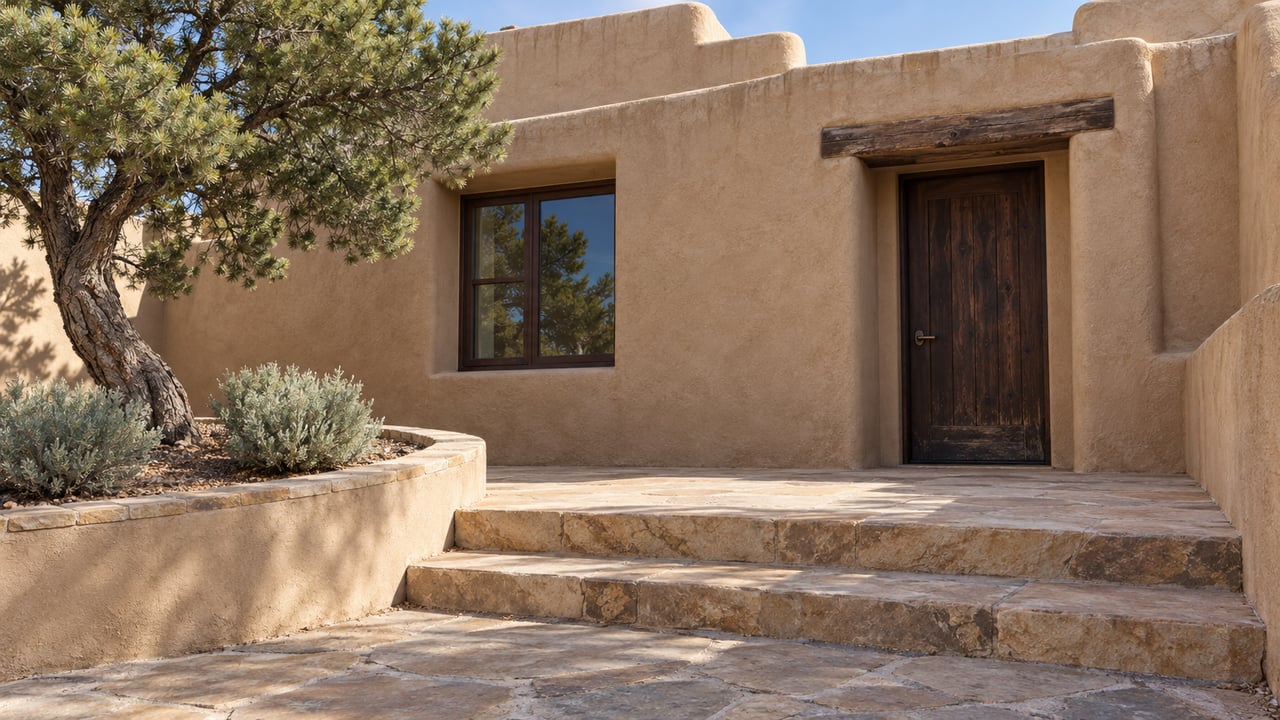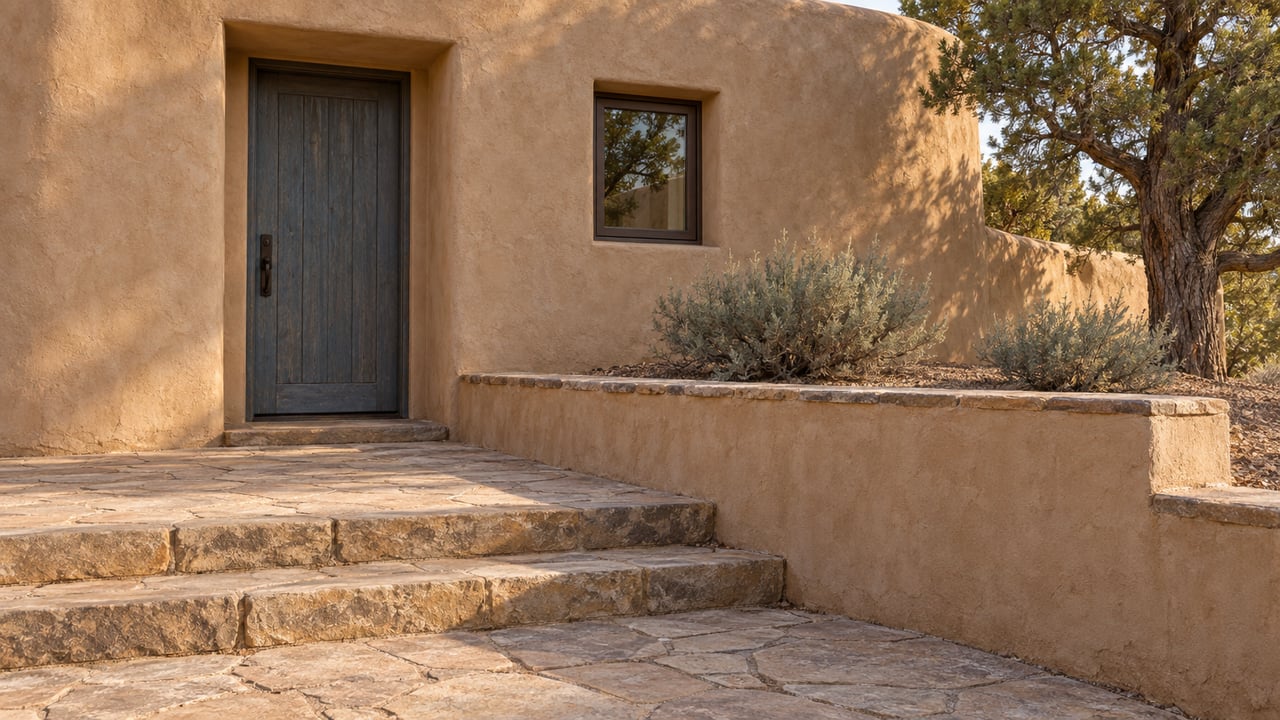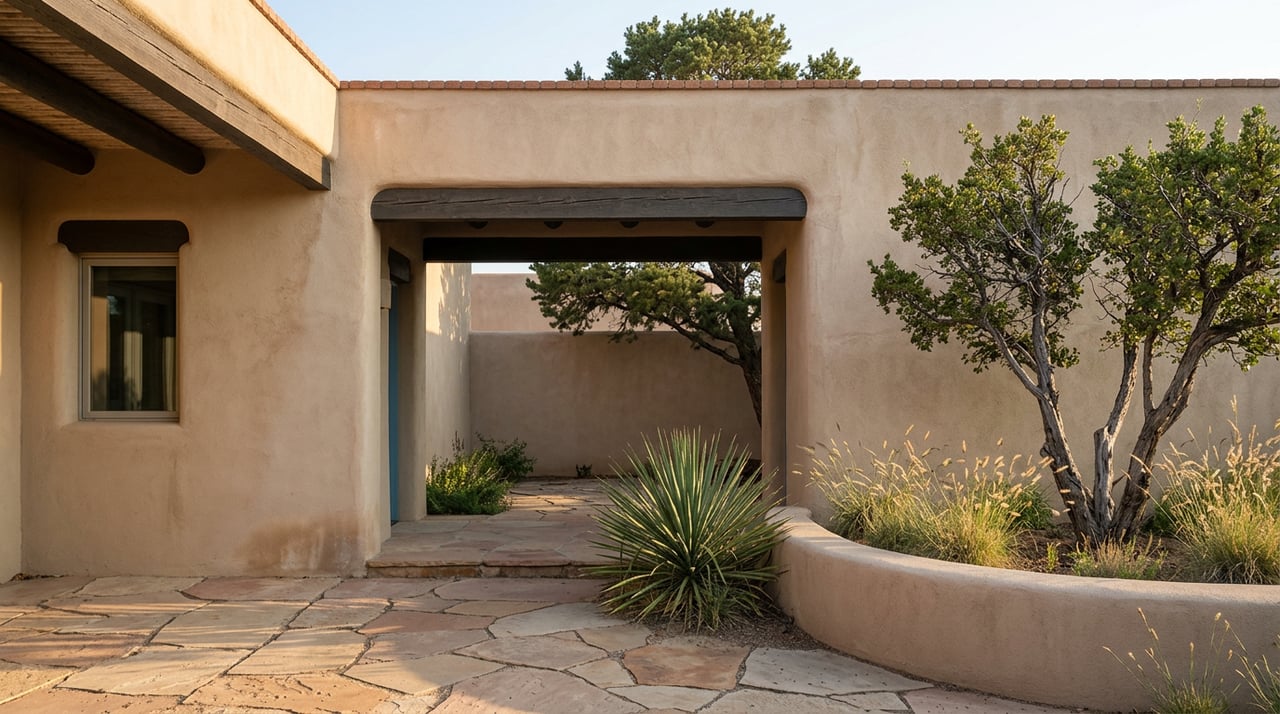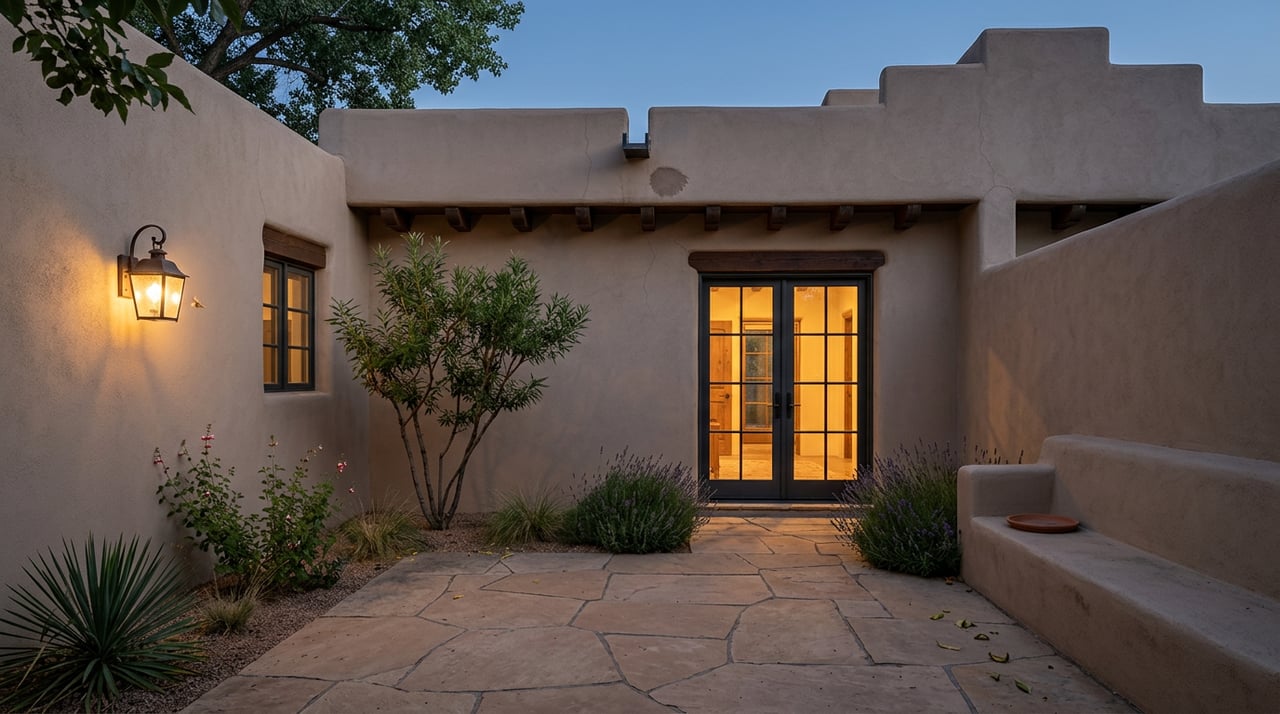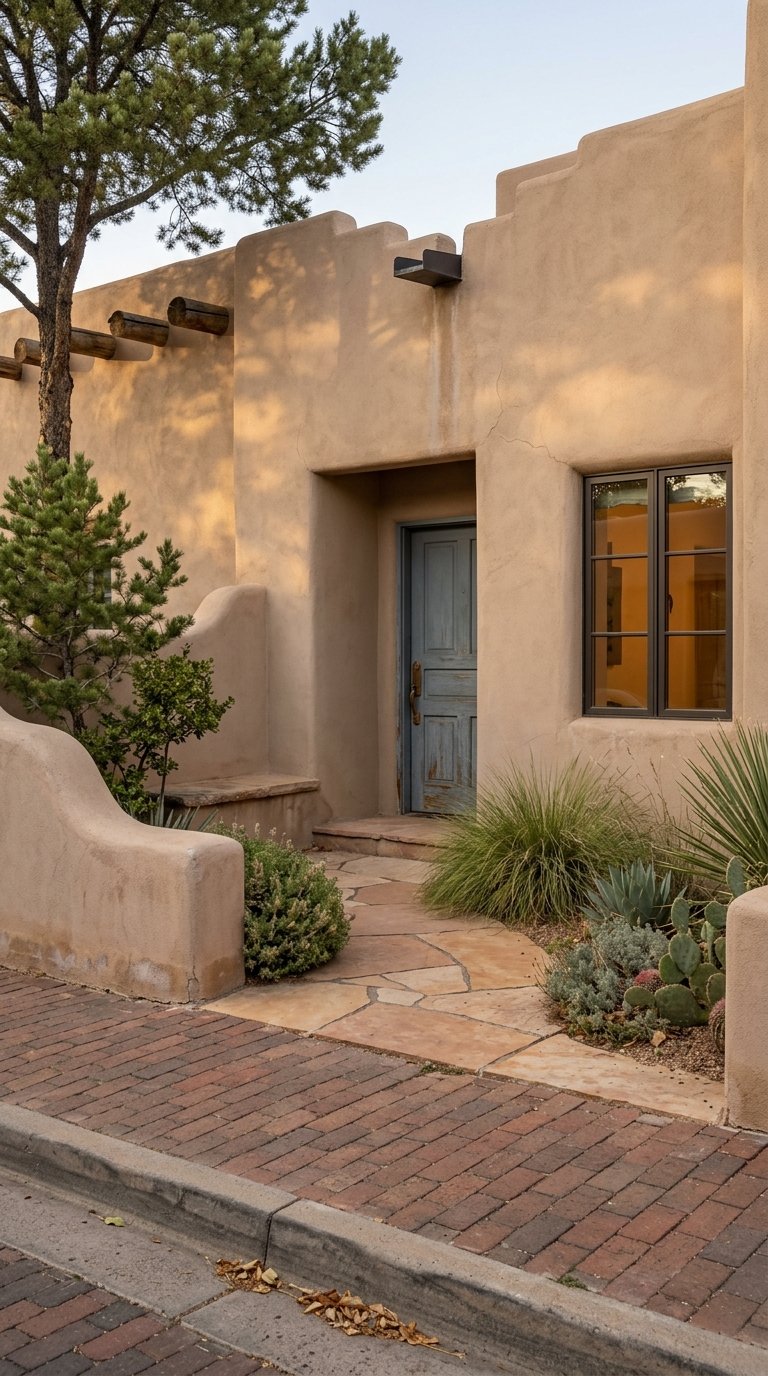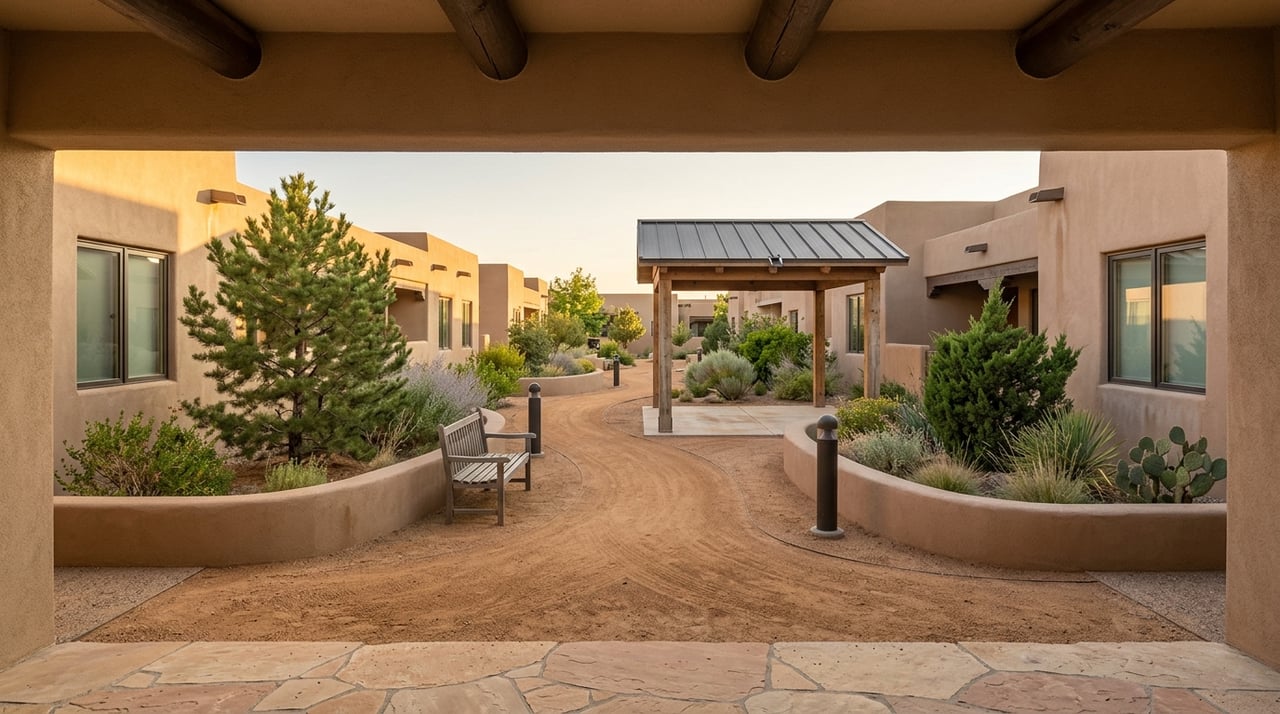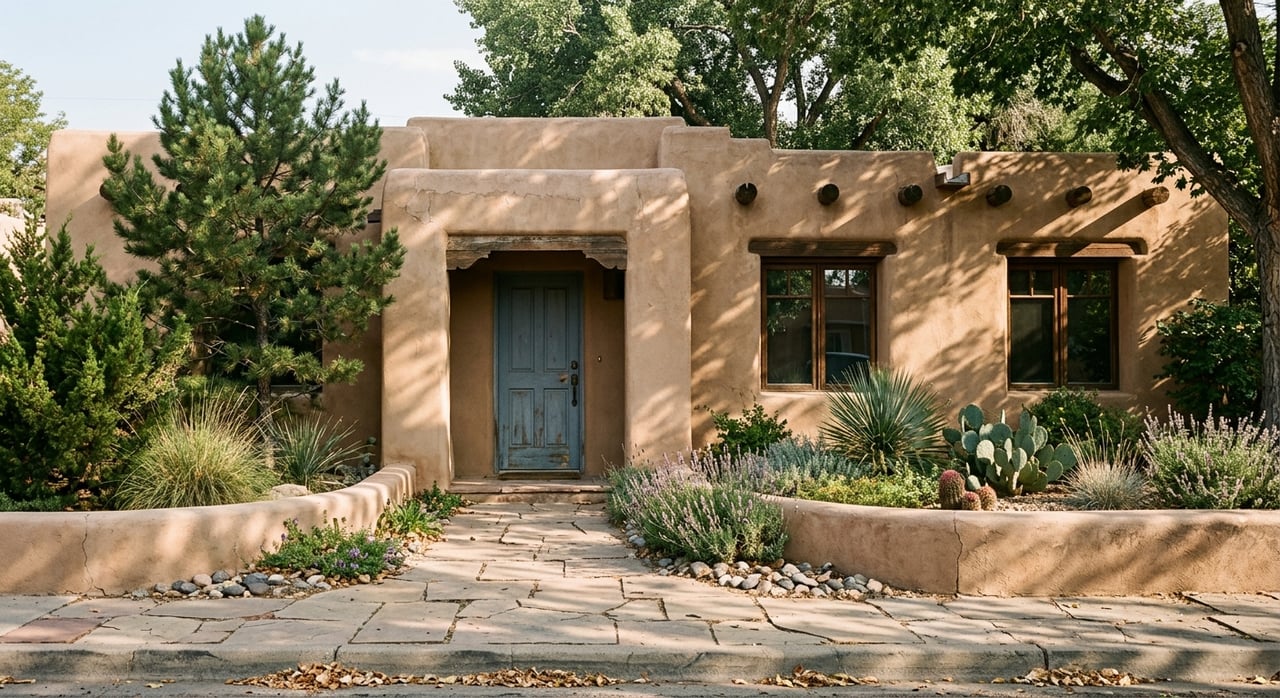
A building owner on Santa Fe's Downtown and Eastside Historic District once called a local preservation consultant with a problem he thought he'd already solved. He'd bought a building specifically because it was labeled Non-Contributing. He'd checked before closing. Non-Contributing buildings face fewer restrictions and cheaper renovations, so he picked accordingly. Then he applied for his remodel, and the Historic Districts Review Board opened the question back up: was this building actually Non-Contributing at all?
Nobody had told him the label could move. The board can reconsider a building's historic status at any time, especially the moment a major change is on the table. In his case, the board ultimately kept the original designation. He lost time, not money. But the story is the same one that keeps surfacing in board minutes year after year: buyers treat "Contributing" and "Non-Contributing" like a fact fixed at closing, when it's closer to a standing invitation for the city to look again.
If you're weighing a purchase on the Eastside, that distinction is the thing worth understanding before you write an offer, not after.
Three Words That Decide Your Renovation Budget
Every building inside the Downtown and Eastside Historic District carries one of three designations: Non-Contributing, Contributing, or Significant. The terms sound bureaucratic, but they translate directly into what you're allowed to do to your own exterior walls.
| Status | What it means | Renovation flexibility |
|---|---|---|
| Non-Contributing | Doesn't add to the district's historic character, often newer construction or heavily altered older buildings | Most flexible, but still under design review |
| Contributing | Adds to the historic character of the district, usually older structures with intact features | Strict protections on primary facades, additions, and material removal |
| Significant | The highest tier, reserved for buildings of exceptional historic or architectural value | Most restrictive category in the district |
Local design-build firm Woods Design Builders, which has worked in the district for decades, puts it plainly: any house in the district older than 50 years, which is most of them, has to go through this status review, and Non-Contributing buildings are simply the least restricted of the three tiers. That single sentence explains why two houses that look nearly identical from the street can have wildly different renovation timelines and budgets.
The Clock Nobody Mentions at the Open House
Here's the part that changes how you should read a listing. The 50-year threshold isn't a one-time filter applied when the district was formed. It's a moving line. Every year, another cohort of buildings crosses it and becomes eligible for reconsideration.
City board records show exactly this happening. One Eastside structure was surveyed in 1984 and given Non-Contributing status because it hadn't yet reached the 50-year mark. Decades later, staff revisited the same building, now 73 years old, and recommended it be upgraded to Contributing, citing its status as a strong example of Territorial Revival style. The building didn't change. The calendar did.
Run that math forward from today. Anything built before 1976 has already cleared the 50-year threshold and can be pulled into a status review, whether or not the current owner ever requests one. A house built in 1980 clears it in 2030. The pool of houses eligible for upgraded, more restrictive status only grows, and the city has actively used state grant money in the past to fund inventories aimed at identifying exactly which buildings should be reclassified.
If you're buying a Non-Contributing property on the Eastside built anywhere near that 50-year line, the label you see in the listing is a snapshot, not a guarantee.
The Rulebook Is Also Moving Right Now
It isn't only individual building statuses in flux. The design standards that govern the whole district are under active revision as part of the city's first major rewrite of its land development code since 1987. The new Chapter 14 took effect January 1, 2026, but the historic district's own design standards were pulled out of that first phase after real pushback.
At an October 2025 joint meeting of the Historic Districts Review Board and the Archaeological Review Committee, Vice Chair John Bienvenu described the proposed rewrite of district character standards as vague, incomplete, and unhelpful, and the board voted 4 to 3 to recommend the code update move forward without those specific changes. The Old Santa Fe Association registered formal opposition through co-Executive Director Edward Archuleta, while architect and former board member Anthony Guida argued the current ordinance was already hard to defend as written. That disagreement hasn't resolved. It's paused, with the historic-specific design standards set aside for a later phase.
None of this is a reason to avoid the neighborhood. It's a reason to treat any secondhand summary of "what's allowed" on the Eastside, including this one, as a starting point rather than a final answer, and to confirm current rules directly with the city's Historic Preservation Division before you plan a renovation budget.
What a Status Surprise Actually Costs You
The Eastside carries some of Santa Fe's highest per-square-foot pricing, often exceeding $500 to $700 depending on finish and provenance, with entry-level casitas starting near $1 million and restored compounds reaching well into eight figures. At those numbers, a status review that stalls your renovation isn't a paperwork inconvenience. It's carrying costs, redesign fees, and a construction loan sitting idle while the Historic Districts Review Board, which meets only on the second and fourth Tuesday of each month, works through your case.
The application fee itself is modest, $75 to open a case with the city's Historic Preservation Division. The exposure isn't the fee. It's the architect hours spent designing to a status that changes mid-process, and the months added to a timeline you built around the assumption that the label on file was permanent.
Before You Write the Offer
A few steps take the guesswork out of this, and none of them require waiting until after closing:
- Pull the building's status directly from the city's interactive GIS map under the Historic Districts and Historic Buildings Status layers, rather than relying on a listing description.
- Ask when the property last went through a formal status review, and whether that review happened before or after the building crossed the 50-year mark.
- If you're planning any exterior work, from window replacement to a new portal, budget for a Historic Districts Review Board hearing into your timeline from the start, not as a contingency.
- Work with an architect or contractor who has personally carried a case through the board. The process rewards familiarity with what staff and board members have approved before.
A Couple of Questions Worth Asking Directly
Does every exterior change on an Eastside property need board approval? Not every change requires a full hearing. The city's Historic Preservation Division handles some general maintenance and minor alterations through administrative approval. But almost anything visible from the street, including stucco color, window replacement, re-roofing, and garden walls, requires either that staff sign-off or a hearing before the board.
Can a building's status be downgraded as well as upgraded? Yes. The same review process that can move a building toward Contributing status can also affirm or reduce it, depending on what staff and the board find when they look at the structure's history and condition. Status review runs in both directions, which is exactly why it shouldn't be treated as a settled fact at any point in a transaction.
The Eastside's charm is real, and so is the protection that keeps it that way. The label on a listing sheet just isn't the whole story, and the buyers who do best here are the ones who ask what's underneath it before they fall in love with the walls.
If you're weighing a property in the Historic Eastside and want a straight read on what its current status means for your plans, The Santa Fe Realtors can walk it with you before you write an offer. Talk to a Santa Fe neighborhood expert.