If you’ve ever spent an afternoon on Canyon Road or near the Plaza and thought, could I actually live this close to all of this? you are not alone. For many buyers, the appeal is easy to understand: historic streets, iconic architecture, galleries, restaurants, and a more walkable daily rhythm than you may find in other parts of Santa Fe. If you are considering a move closer to Santa Fe’s cultural core, this guide will help you weigh the lifestyle, housing character, parking realities, and renovation rules that matter most. Let’s dive in.
Why buyers look near Canyon Road and the Plaza
The Santa Fe Historic District conversation often centers on the Downtown and Eastside Historic District. According to the City of Santa Fe, that district includes downtown as well as the Canyon Road, Acequia Madre, Camino del Monte Sol, and East Palace Avenue areas.
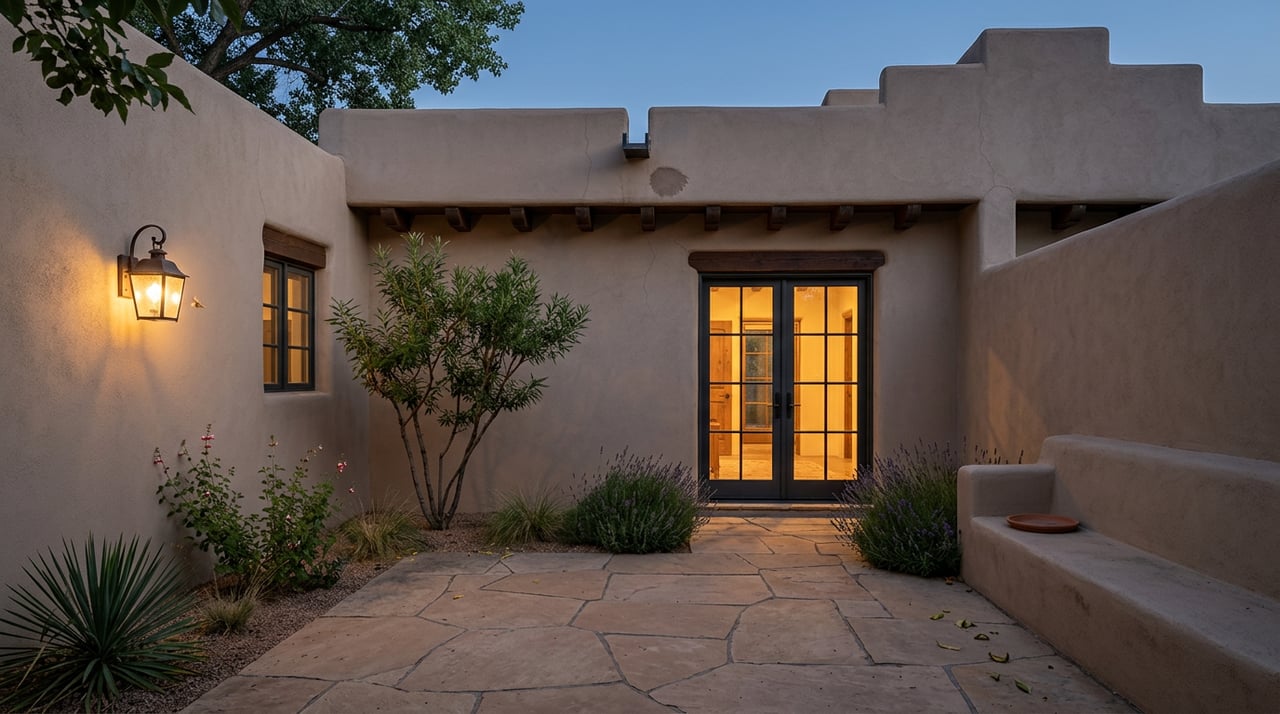
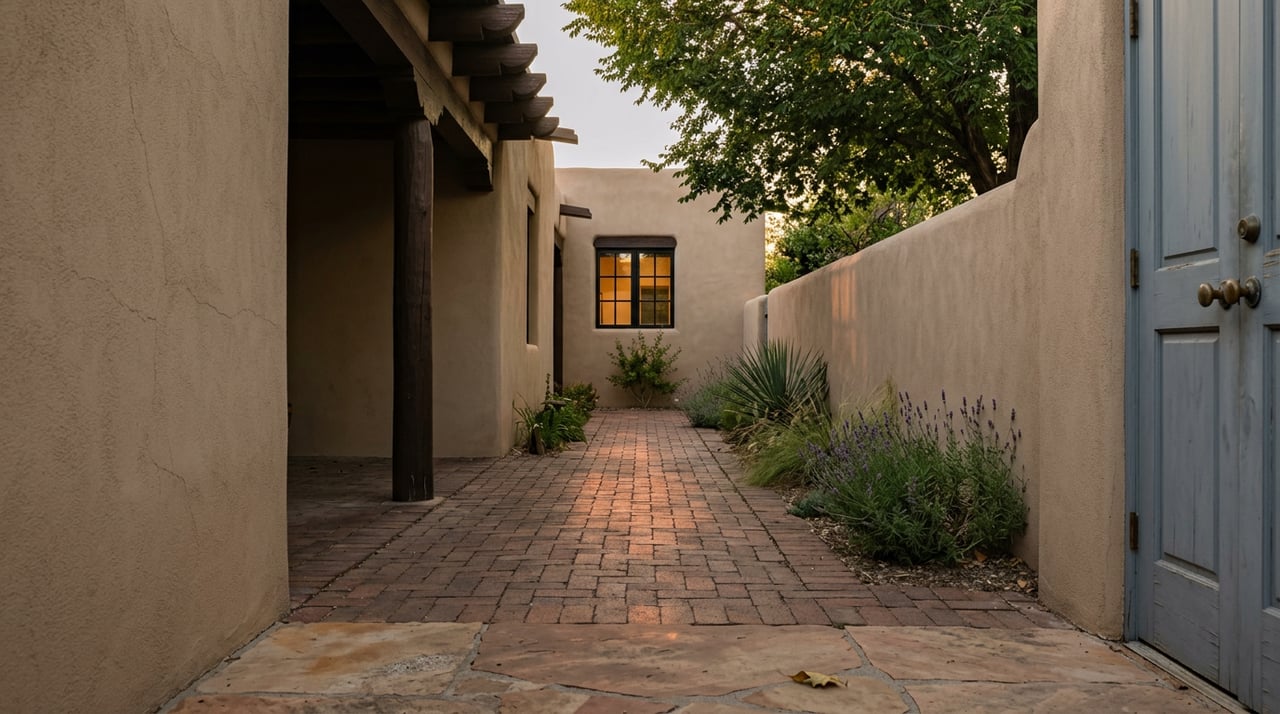
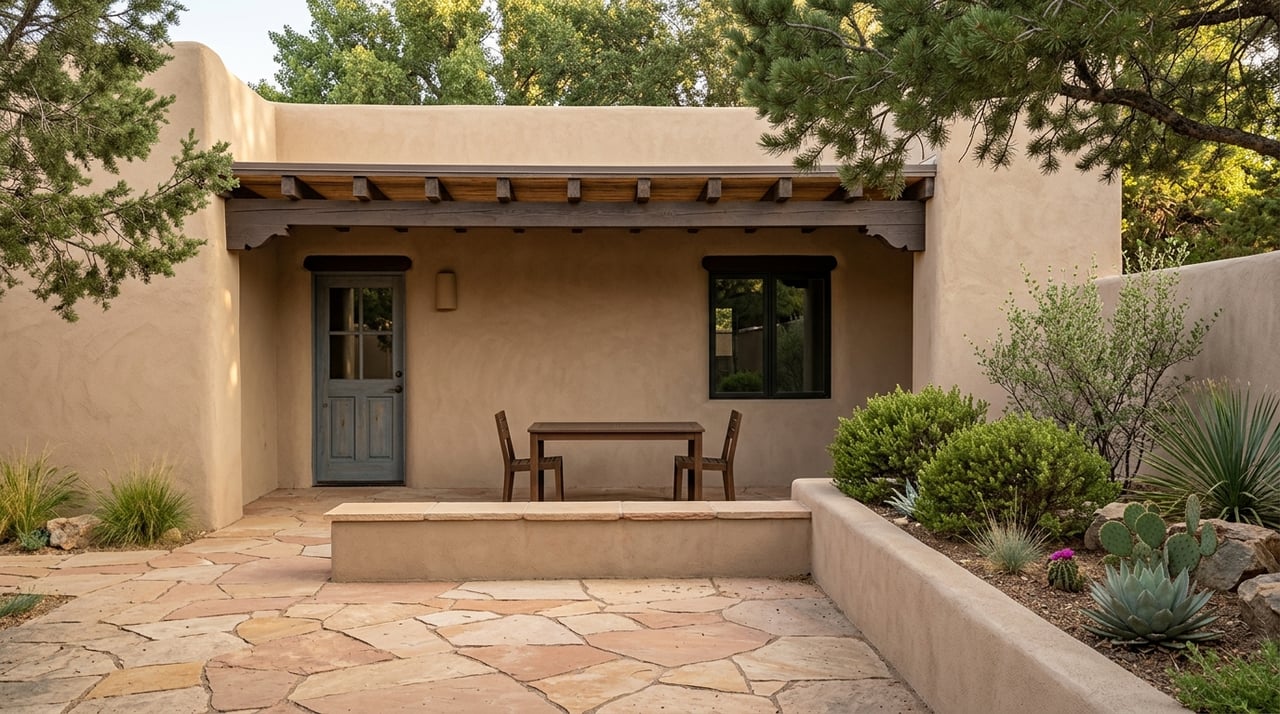
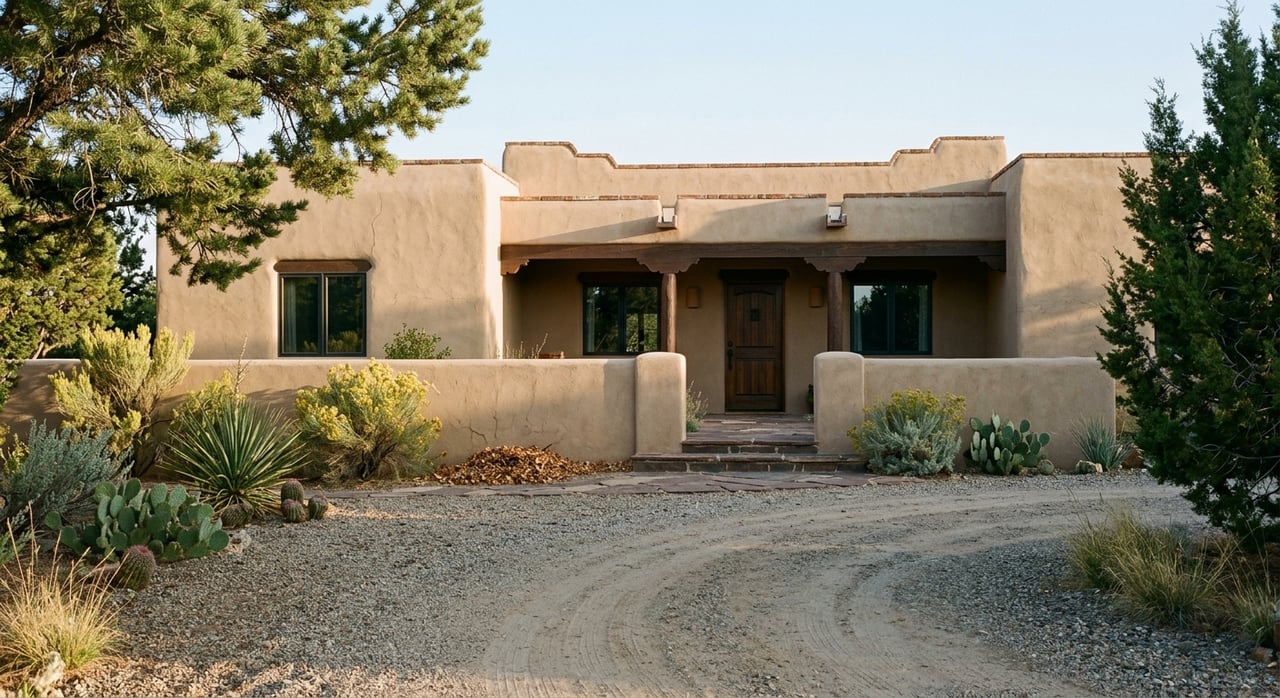
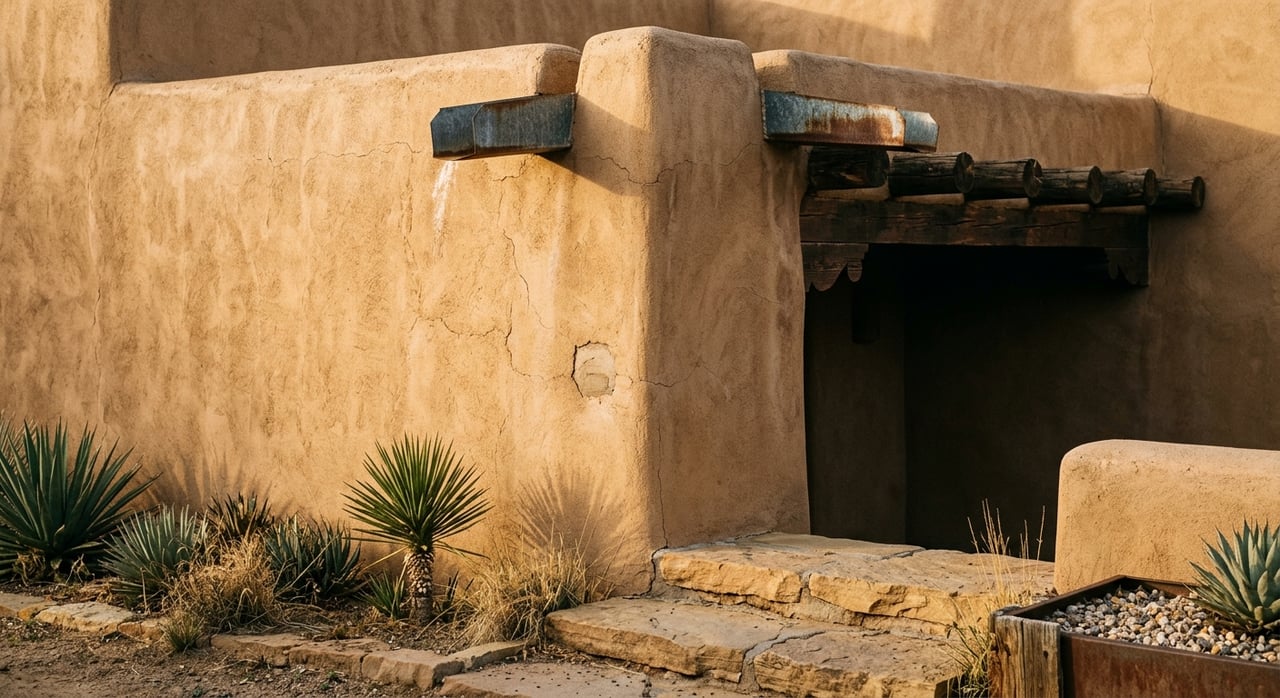
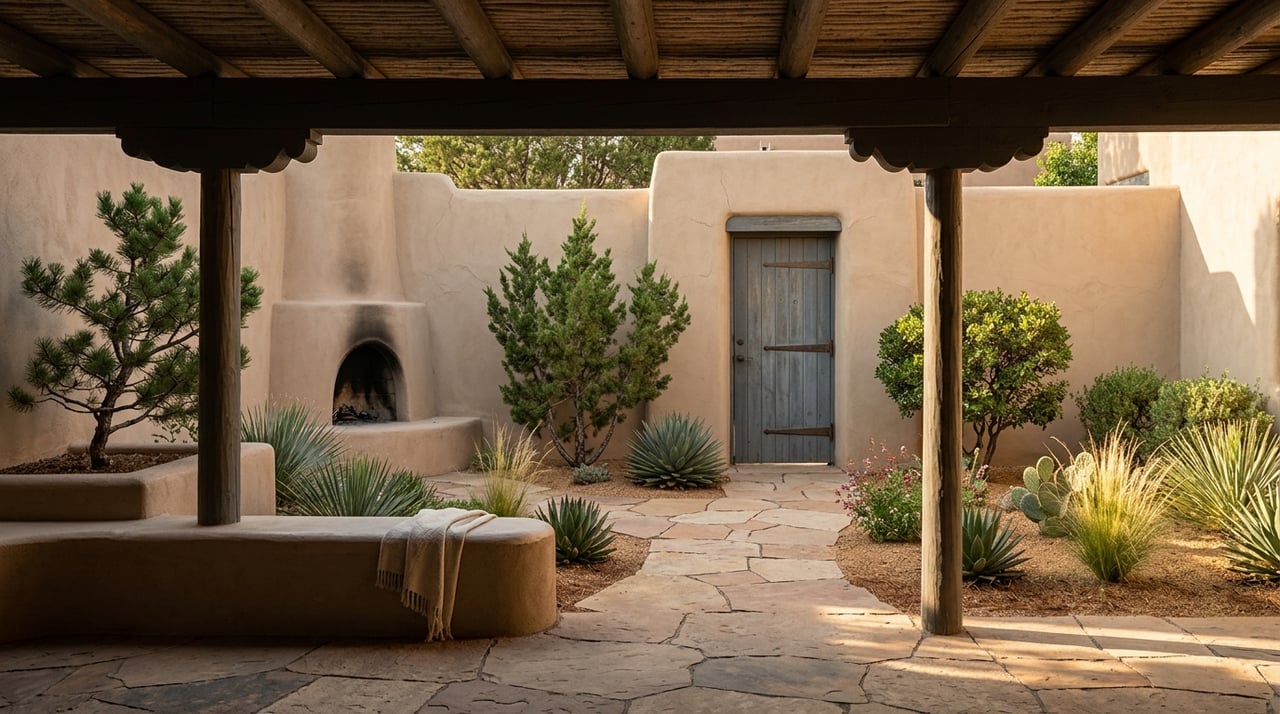
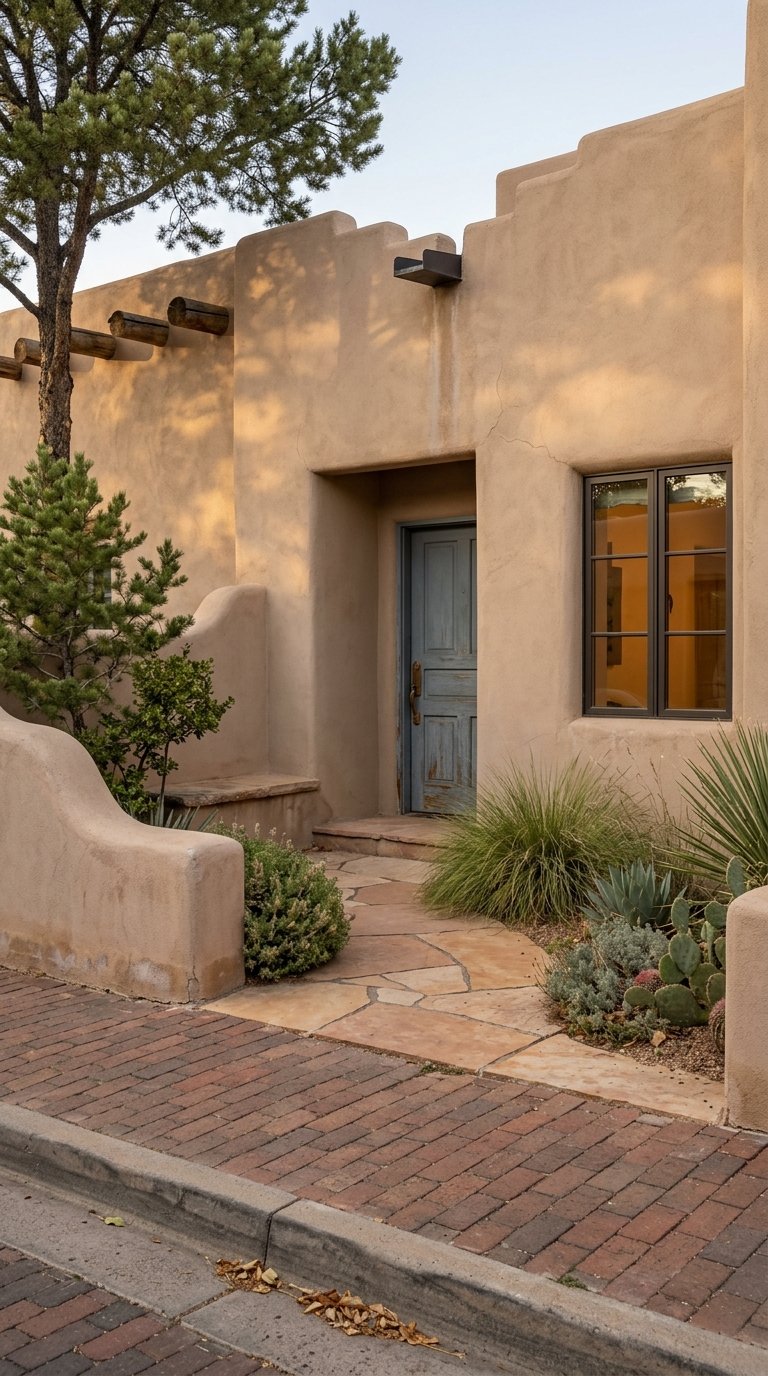
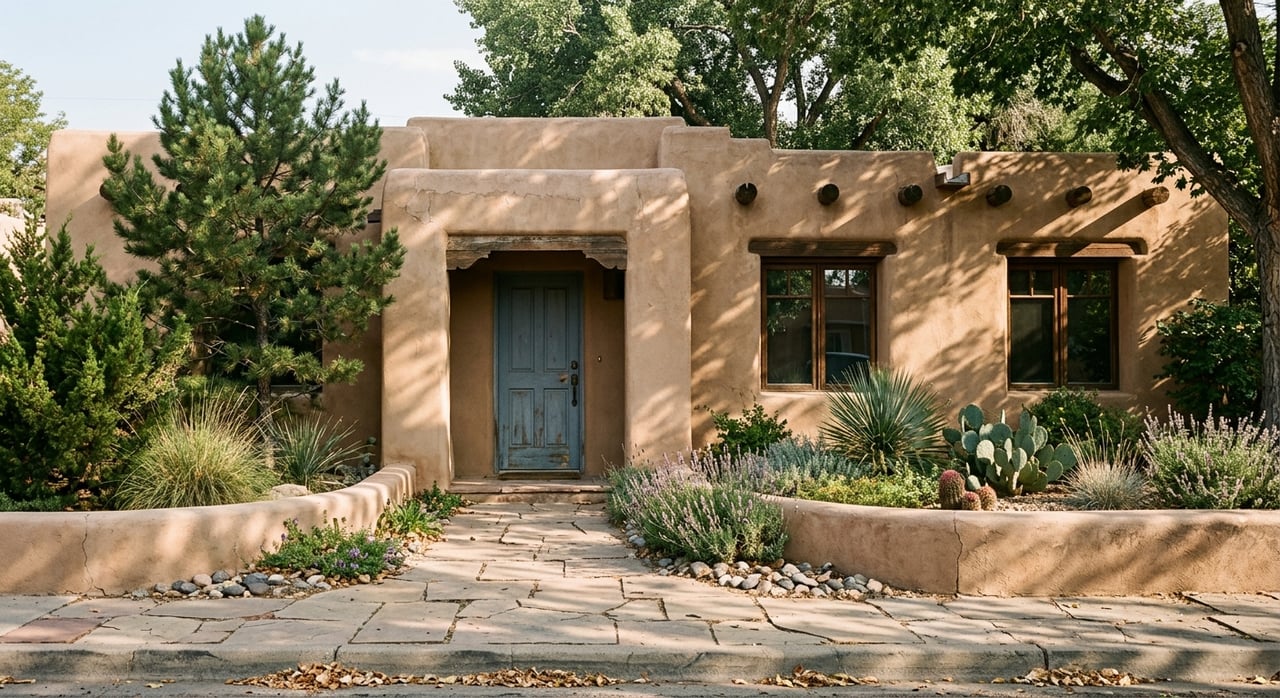
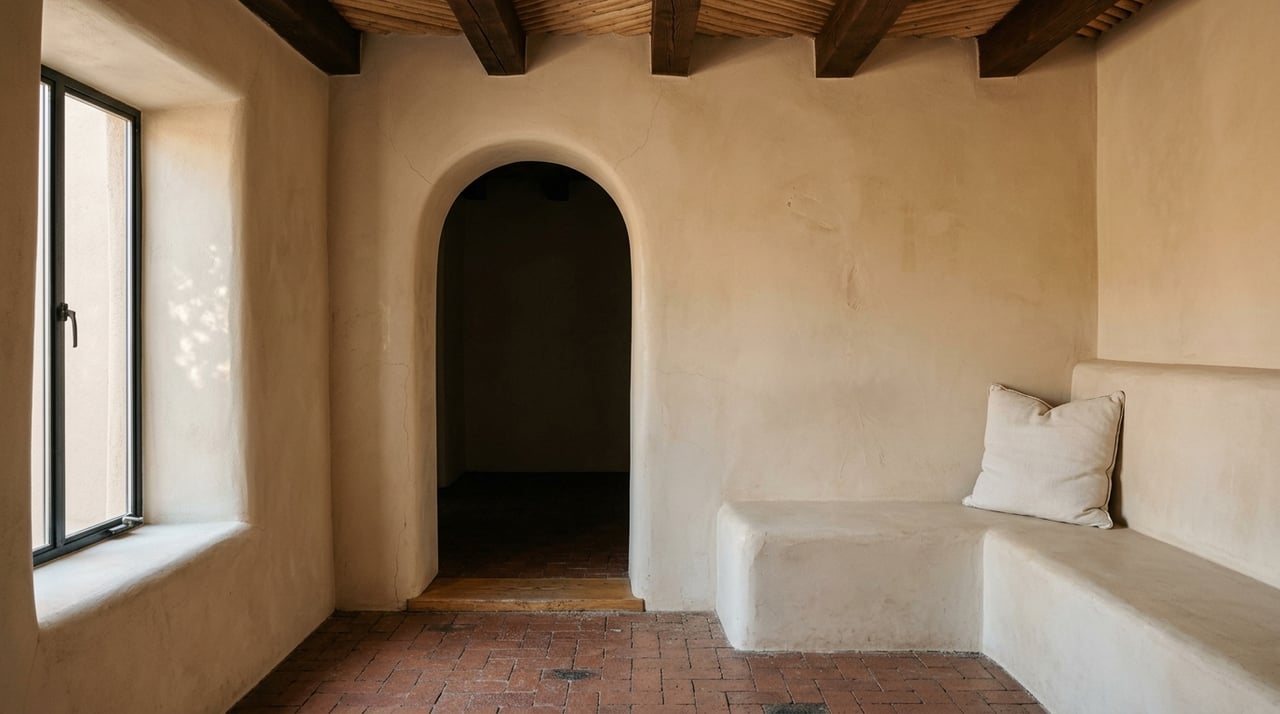
This part of town contains much of Santa Fe’s oldest and best-preserved Spanish-Pueblo and Territorial architecture. The older plaza-based street pattern and acequia network still shape how the area looks and feels today, which is a big part of why buyers are drawn here.
Canyon Road remains one of Santa Fe’s best-known destination corridors. Tourism Santa Fe describes it as a half-mile, tree-lined, pedestrian-friendly stretch with more than 100 galleries, along with cafes, small eateries, and fine-dining restaurants.
The Plaza and Downtown area continue to serve as the city’s original center. You will find restaurants, galleries, boutiques, bookstores, museums, and hotels packed into a relatively compact area, which creates a very different day-to-day experience than a more spread-out neighborhood.
What daily life feels like here
Living closer to Canyon Road and the Plaza often means trading suburban scale for convenience and character. Instead of prioritizing large lots, wide streets, and easy curb parking, many buyers here prioritize access, walkability, and the feeling of being part of Santa Fe’s historic urban fabric.
That can be a great fit if you like the idea of parking once and walking more. It can also work well if you want easier access to dining, art, and downtown events without needing to drive across town every time you want to enjoy them.
At the same time, this is not a one-size-fits-all move. Some homes will feel more convenience-first, while others lean heavily into historic character and may ask for more flexibility from you in return.
Historic homes come with real trade-offs
A major reason buyers want this area is also what makes ownership different here. Older homes, tighter street patterns, and preserved architectural character give the Historic Eastside and nearby downtown blocks their appeal, but they can also make updates and changes slower and more deliberate.
The City of Santa Fe’s Historic Preservation Division helps owners with property modifications in historic districts. If you want to modify a property within a historic district, you must submit an application to the city.
Some work may be approved administratively, while other projects go before the Historic Districts Review Board. The city also lists a $75 fee to initiate an application, which is useful to know early if you are thinking ahead about improvements.
Renovation expectations in historic areas
The city’s Historic Districts Handbook explains that the Downtown and Eastside district distinguishes between Old Santa Fe Style and Recent Santa Fe Style. It also states that new construction and alterations must follow stylistic standards, including rules for exterior color, materials, and finishes.
In practical terms, that means you should expect more review and less design freedom than you might find in a typical non-historic neighborhood. If you love the area but already know you want to make major exterior changes, it is smart to evaluate those plans before you fall in love with a property.
This does not make historic ownership a bad fit. It simply means the best purchase is often the one that already aligns closely with how you want to live, maintain, and enjoy the home.
Parking is one of the biggest lifestyle questions
For many buyers, parking is the day-to-day issue that deserves the most attention. The City of Santa Fe says it oversees about 1,850 off-street spaces in three garages and multiple surface lots downtown, while the city’s broader Downtown and Railyard planning references active management of more than 4,000 parking spaces overall in that district.
The same city planning materials note that downtown parking is typically fully occupied even on non-event days, and event days fill faster. That matters if you expect frequent visitors, want easy street parking, or prefer a more car-centered routine.
The city’s parking page also provides current examples of paid parking rates. On-street meters are $2 per hour for the first two hours and $3 per hour after that, while garages and lots are generally $1 to $2 per hour with a $12 daily maximum.
Meter enforcement runs Monday through Saturday from 8 a.m. to 6 p.m. The city also notes that garages and lots still charge fees on Sundays and holidays, so it helps to think through not just your own parking needs, but also what visiting friends or family may experience.
Resident permit parking on some streets
Residential permit rules are especially important in parts of the Eastside. The city states that residents in designated permit-required neighborhoods must obtain annual permits, which are free with proof of residency and current vehicle registration.
The current permit list includes Acequia Madre and East Palace Avenue. That means you should verify the exact address and street conditions for any property you are considering rather than assuming the rules are the same across the broader area.
If you are comparing homes, ask simple, practical questions early:
- Is the street permit-only for residential parking?
- How many off-street spaces come with the property?
- Is guest parking easy, limited, or mostly paid?
- How far will you usually walk from where you park?
How to evaluate homes near the Plaza and Canyon Road
Not every property near Santa Fe’s historic core offers the same balance of convenience, parking, and architectural character. One useful way to think about your options is to sort them by the trade-off that matters most to you.
Convenience-first homes
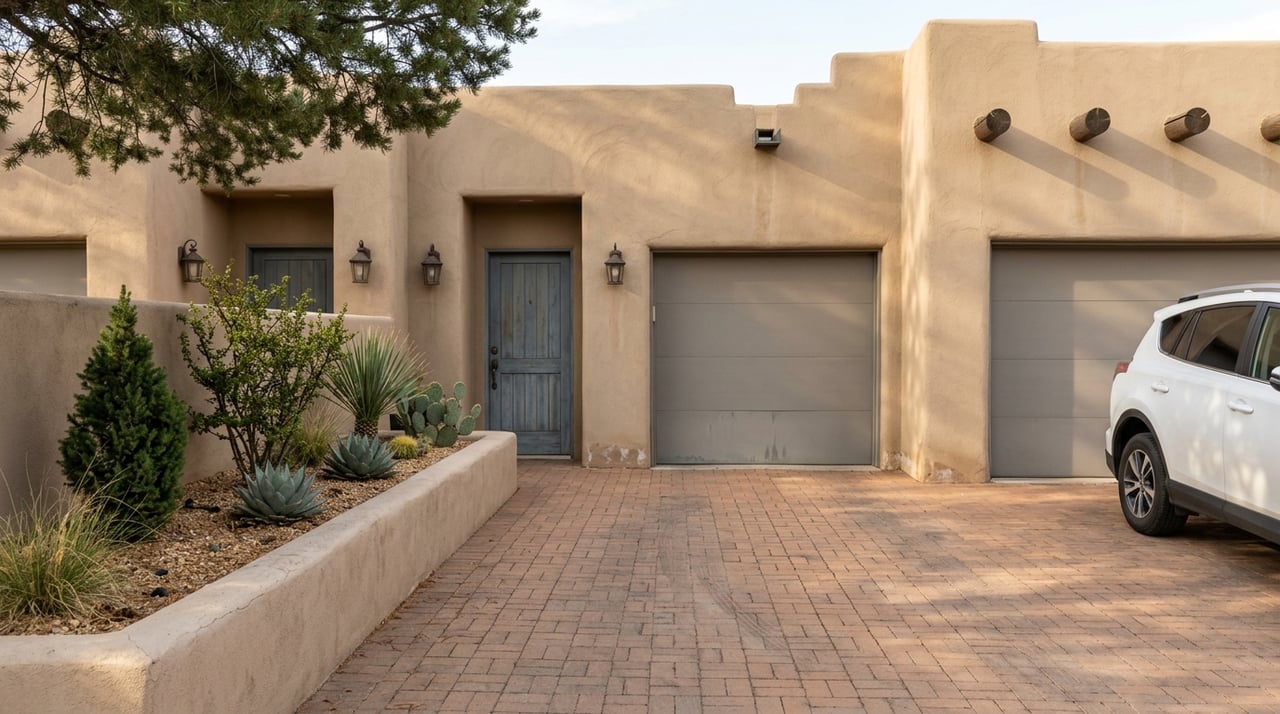
These homes usually appeal to buyers who want easier access to the Plaza or Canyon Road and place a high value on practical daily use. You may be looking for features like simpler exterior upkeep, more manageable parking, or a layout that supports a lock-and-leave lifestyle.
This category can work well for downsizers, relocation buyers, or anyone who wants to stay close to the action without taking on a highly complex property. The key is confirming that the specific home supports that easier routine, especially when it comes to parking and exterior maintenance.
Balanced homes
Balanced homes tend to offer a mix of location, character, and livability. You may give up a little immediate proximity or some historic romance in exchange for more practical parking, a more flexible floor plan, or easier day-to-day functionality.
For many buyers, this is the sweet spot. You still get meaningful access to downtown Santa Fe and the Eastside experience, but with fewer of the sharper trade-offs that can come with the most historic and tightly situated properties.
Character-first homes
Character-first homes are often the ones that make buyers fall in love instantly. They may sit on especially distinctive streets or offer architectural details and historic context that feel deeply tied to Santa Fe’s oldest neighborhoods.
These homes can be very rewarding if preserving character is part of what you value most. They also tend to require a buyer who is comfortable with tighter street patterns, more planning around parking, and closer attention to historic review if exterior changes are ever needed.
Questions to ask before you make the move
If you are serious about buying near Canyon Road or the Plaza, a few questions can quickly clarify whether a property fits your life. These are often more useful than broad assumptions about the neighborhood as a whole.
Ask yourself and your agent:
- How close do you truly want to be to Canyon Road or the Plaza?
- Will you be comfortable with a more compact daily routine?
- Does the property include enough off-street parking for your needs?
- Are there resident parking permit rules on that specific street?
- If you want to renovate, what historic review is likely to apply?
These questions help you move from the idea of the neighborhood to the reality of a specific property. That is where good buying decisions usually happen.
Who this move tends to fit best
A move closer to Canyon Road and the Plaza often fits buyers who care more about proximity to Santa Fe’s cultural core than they do about having a large yard, a big garage, or easy curb parking. It can also appeal to downsizers who want a smaller footprint and a more destination-oriented lifestyle.
Some lock-and-leave buyers may also find a good match here, but that depends on the individual property’s maintenance demands and parking setup rather than the district as a whole. In other words, the location may be a fit, but the right home still needs to check the practical boxes.
This is why neighborhood-level guidance matters so much in Santa Fe. Two homes that seem close together on a map can offer very different ownership experiences based on street access, permit parking, historic review, and how much of the property’s character you are expected to preserve.
If you are weighing a move closer to Santa Fe’s historic core, it helps to look beyond the romance of the location and focus on the details that shape everyday living. When you match the right property to the right routine, the result can feel both inspiring and practical. If you want help comparing homes in the Historic Eastside, Downtown, or near Canyon Road, connect with Jayne Sinaloa & Patricia Mitchell for thoughtful, neighborhood-focused guidance.
FAQs
What is included in Santa Fe’s Downtown and Eastside Historic District?
- The City of Santa Fe describes the district as including downtown plus the Canyon Road, Acequia Madre, Camino del Monte Sol, and East Palace Avenue neighborhoods.
What is daily life like near Canyon Road and the Plaza in Santa Fe?
- Daily life is often more compact and walkable, with close access to galleries, restaurants, shops, museums, and downtown destinations, but usually with less emphasis on large lots and easy parking.
What should buyers know about parking in Santa Fe’s Historic Eastside?
- Parking is one of the biggest practical issues to review, especially because downtown demand can be high, some nearby streets require resident permits, and guest parking may involve meters, garages, or paid lots.
Do Santa Fe historic district homes have renovation rules?
- Yes. The City of Santa Fe requires applications for property modifications in historic districts, and some projects can be approved administratively while others go to the Historic Districts Review Board.
Which Santa Fe streets may require residential parking permits?
- The city’s current designated permit-required neighborhoods include Acequia Madre and East Palace Avenue, so you should verify the exact address for any property you are considering.
Who is a move closer to Canyon Road and the Plaza best for?
- It often fits buyers or downsizers who value proximity to Santa Fe’s cultural core and are comfortable with a more compact, walk-oriented lifestyle and the trade-offs that can come with historic properties.