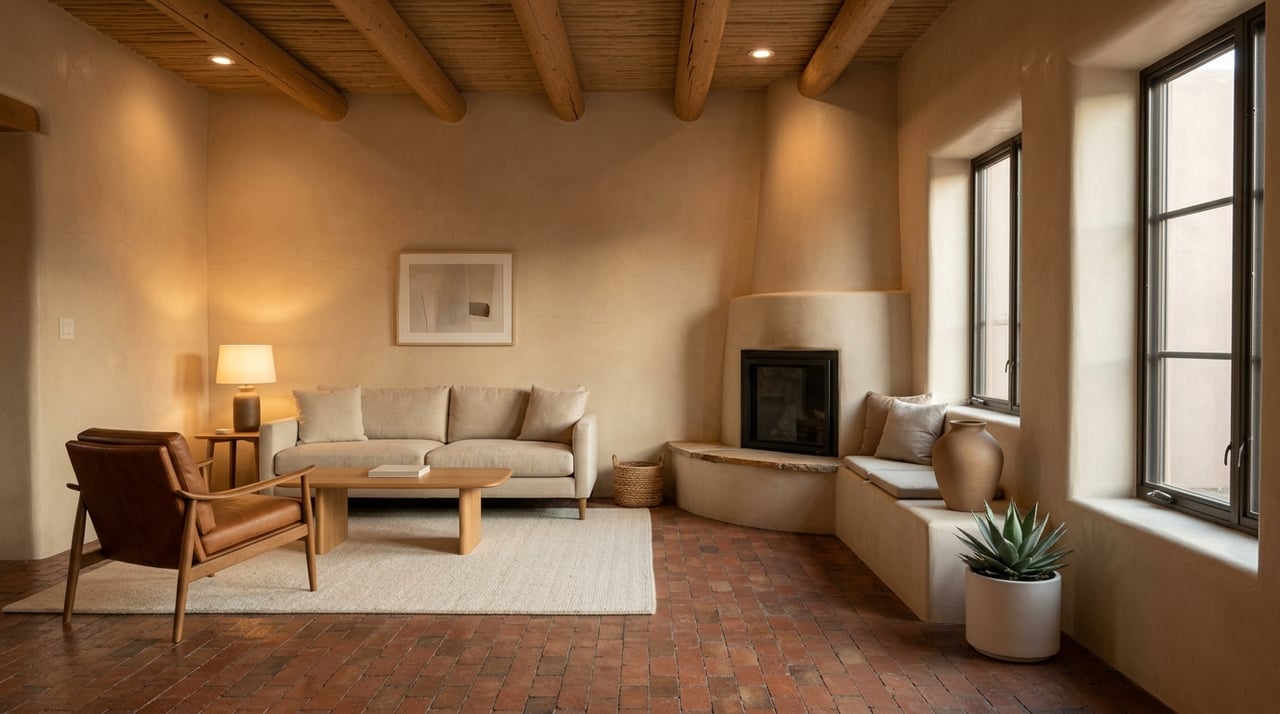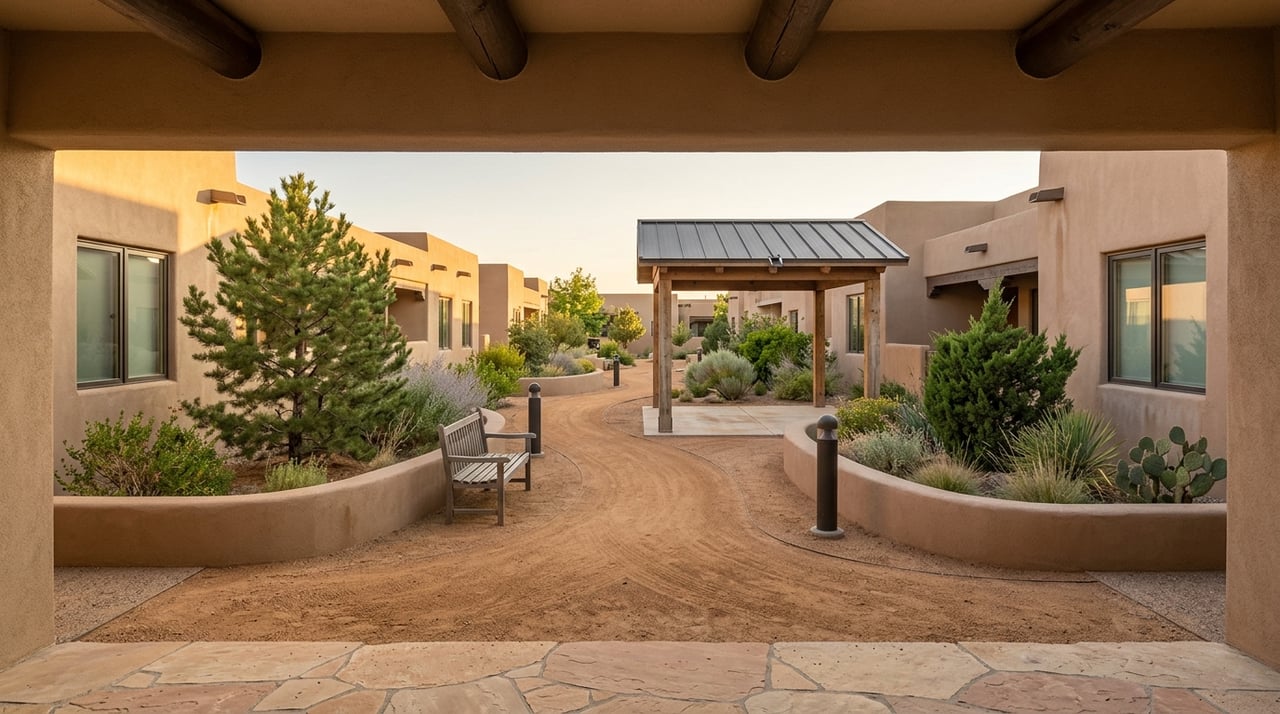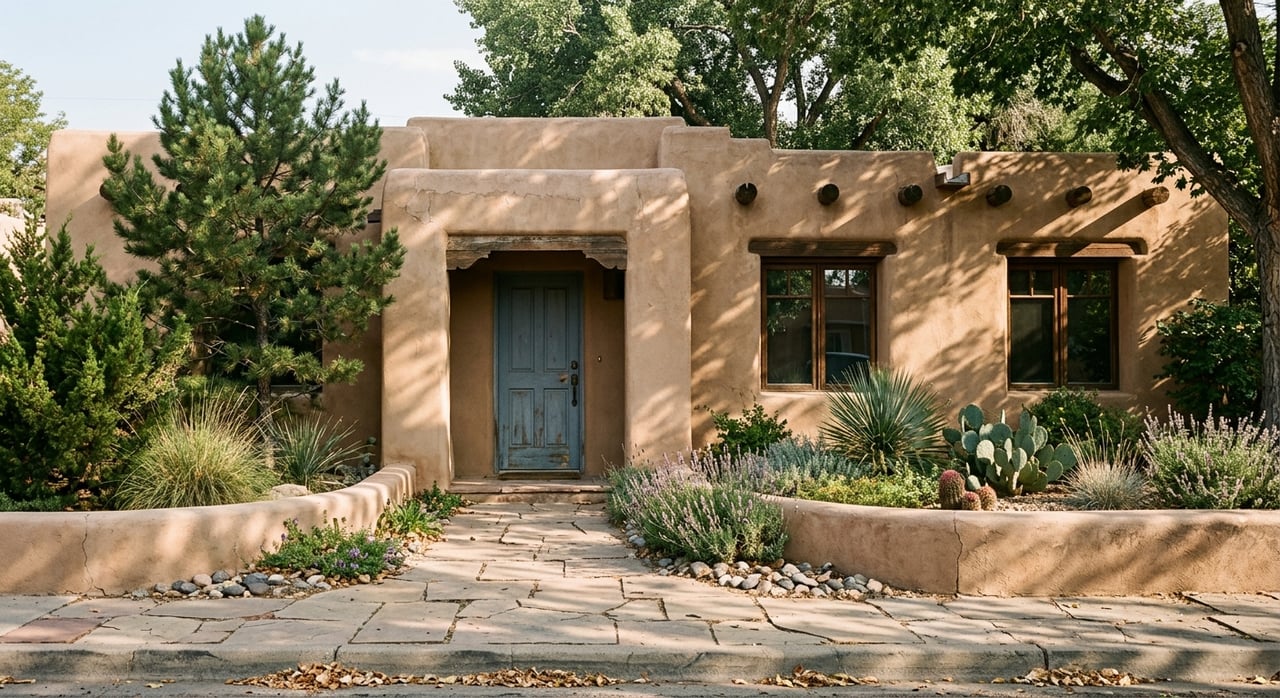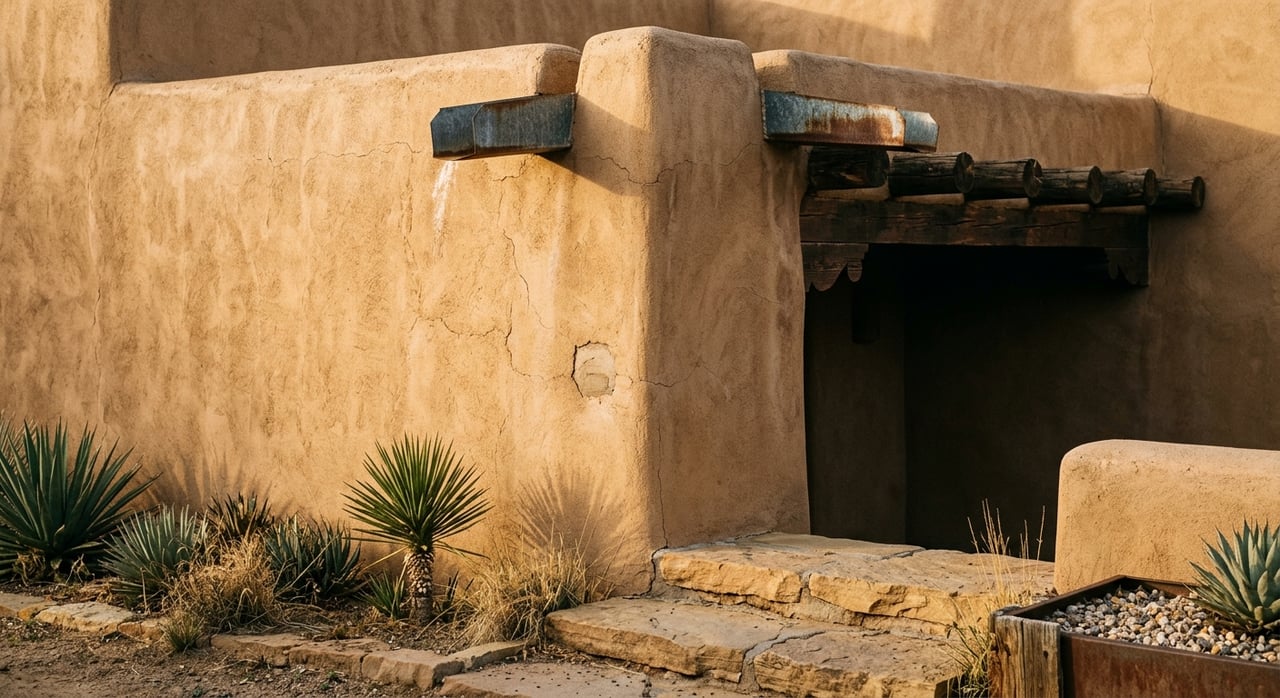
Wondering whether an East Side adobe is your dream home or a bigger commitment than you expected? In Santa Fe’s Historic Eastside, these homes offer beauty, character, and a deep sense of place, but they also come with specific maintenance needs and city review rules that can surprise buyers. If you are considering one of these iconic properties, it helps to understand what ownership really looks like before you fall in love with the vigas, plaster walls, and quiet courtyards. Let’s dive in.
Why an East Side adobe feels different
Owning an adobe in Santa Fe’s Historic Eastside is not quite the same as owning a typical home in a newer neighborhood. In this area, the city’s Downtown and Eastside Historic District rules shape how properties are maintained and updated, especially when exterior changes are visible from a public street or public place.
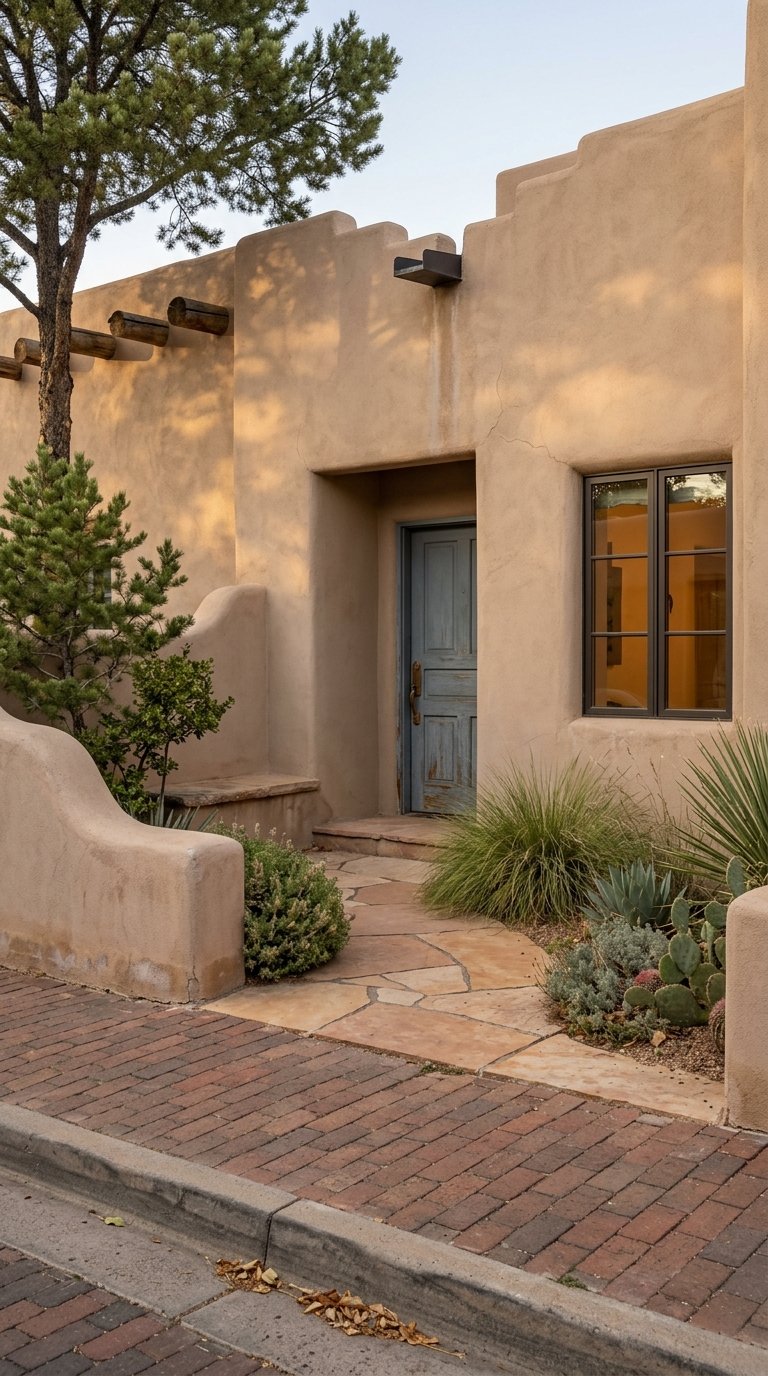
That matters because many East Side homes are part of a larger historic streetscape. The city’s standards favor features tied to traditional Santa Fe forms, including wall-dominant facades, deep window recesses, earth-tone finishes, and flat or slightly sloped roofs with parapets. In practical terms, you are often caring for a piece of historic fabric, not simply remodeling a house however you like.
Historic district rules matter early
One of the biggest surprises for buyers is how early city review can come into play. In Santa Fe’s historic districts, exterior work must be pre-approved by the Historic Preservation Division, and that includes more than major additions or demolition.
The city handbook says review can apply to maintenance and repair, additions, window and door replacements, walls and fences, new construction, and demolition. Even when a project does not require a construction permit, it may still need historic-preservation approval.
Common projects that may trigger review
Some projects look routine on paper but still require city involvement. Santa Fe lists roofing and re-roofing, window replacement, solar panels, new and replacement mechanical equipment, and re-stuccoing among common residential projects that require permits.
That means a simple plan to replace windows or refresh exterior stucco can involve both building permit requirements and historic-district review. If you buy an East Side adobe, it is smart to assume that exterior work should be checked with the city before you schedule contractors.
Some approvals are simpler than others
Not every project goes through the same level of review. Santa Fe allows some minor alterations, maintenance and repair work, or rooftop appurtenances to move through administrative approval.
Larger or more visible changes may be reviewed by the Historic Districts Review Board instead. The city also notes that active life-safety issues, such as a leaking roof, may be treated as emergencies, which can help when urgent repairs are needed.
Moisture is the issue to watch most
If there is one principle every adobe owner should understand, it is this: water management is everything. Adobe is moisture-sensitive, and its long-term condition depends heavily on keeping water away from the walls.
Adobe bricks expand and contract as their water content changes. Over time, poor drainage or trapped moisture can lead to cracking, deterioration, and more extensive repair work.
Where moisture problems often start
The vulnerable areas are usually not dramatic at first. They are the parts of the house that direct water, shed water, or keep water from soaking into the walls.
For an East Side adobe, pay close attention to:
- Roof drainage
- Parapets
- Canales or scuppers
- Flashing
- Grading around the house
- Splash control near walls
These are not cosmetic details. They are core preservation items that help protect the structure itself.
Protective plaster is part of the system
Adobe walls also rely on protective plaster. Preservation guidance notes that lime plaster helps shield adobe from moisture and needs to be renewed as it weathers.
That is an important mindset shift for many buyers. Exterior plaster is not just a finish choice. It is part of how the home protects itself over time.
Material choices can help or hurt
When repairs are needed, compatibility matters. Modern materials that behave differently from adobe can create problems instead of solving them.
Preservation guidance warns that cement, vinyl, and acrylic-based products can be incompatible with mud-based adobe. Because these materials expand and shrink differently, they may contribute to cracking, trapped moisture, and deterioration.
Why matching the building matters
A historic adobe works best when repair materials move and breathe in a compatible way. Harsh cleaning methods and repairs that do not fit the building’s original behavior can speed up damage rather than extend the life of the home.
For you as a buyer or owner, that means the cheapest or fastest exterior repair is not always the best value. In many cases, a preservation-minded approach protects both the house and your long-term costs better.
Updates that usually fit better
Many buyers want to improve comfort, efficiency, or function after move-in. That is reasonable, but in the Historic Eastside, the best results usually come from updates that work with the home’s original form rather than against it.
The city’s standards strongly favor repair over replacement in several areas, especially where historic character is visible from the street. Planning with that in mind can save time and reduce friction during review.
Windows are a good example
Santa Fe strongly favors repairing historic windows rather than replacing them. If replacement is unavoidable, the new windows should match the original size, style, and material, and the opening should not be widened or narrowed.
The code does allow thermal double-pane glass, which can help owners improve comfort while preserving the appearance of the home. That can be a useful middle ground if you want better performance without losing historic character.
Rooflines and rooftop equipment stay under scrutiny
Roof changes are also closely watched. In general, the city expects homes in the district to maintain a flat, parapet-based silhouette or another compatible historic form.
Rooftop equipment is tightly controlled, especially when visible from the public right-of-way. If you are thinking about new mechanical equipment or solar, it is best to plan early rather than treat it as a late-stage add-on.
Exterior finishes need to stay compatible
The safest visual choices are usually the most traditional ones. Stucco, brick, stone, and other finishes that read as monolithic tend to align better with district standards, especially in earth-tone colors that fit the streetscape.
The code prohibits several finish types on historic facades, including aluminum siding, metal panels, mirrored glass, and wood siding across an entire wall. That makes material selection a key part of any exterior project.
Porches and portales have limits
Existing porches and portales are part of the historic form as well. The city’s rules state that these features are not supposed to be enclosed.
If you are touring a home and imagining a future enclosed sitting room or expanded interior footprint, this is the kind of detail worth checking before you buy. Historic district rules can shape what is realistic.
Plan city coordination into your budget
With an East Side adobe, the process is part of ownership. The Historic Preservation Division recommends early consultation, and owners typically begin with the city’s Historic Districts Application so staff can route the project appropriately.
This is one reason buyers should think beyond the purchase price. Time for approvals, preservation-minded labor, and compatible materials can all affect the real cost of ownership.
Work with people who know adobe
For larger projects, experience matters. Contractors, masons, architects, and engineers who understand adobe behavior and Santa Fe’s review rules can help you avoid costly missteps.
That local knowledge can be especially valuable when a project involves moisture management, parapet or roof repair, re-stuccoing, or visible exterior changes. In a historic district, knowing the process is often just as important as knowing the construction method.
There may be a tax credit
There can also be financial upside to preserving a historic property correctly. New Mexico offers a state historic-preservation tax credit for qualified, pre-approved rehabilitations of eligible historic properties, including contributing properties in a listed historic district.
The current program provides a 50% credit on eligible expenses up to $50,000 within a 24-month approval period. That means the maximum state credit is $25,000.
What work may qualify
Typical eligible items listed by the state include:
- Roof and parapet repair
- Structural stabilization
- Window repair
The key word is pre-approved. If you are counting on a potential credit, it is important to confirm eligibility and timing before work begins.
What this means for buyers
If you love the look and feel of a Historic Eastside adobe, that attraction makes sense. These homes can offer a kind of warmth, texture, and architectural continuity that is hard to replicate elsewhere.
At the same time, they are usually best understood as stewardship properties. They reward regular moisture management, compatible repairs, and early coordination with the city.
That does not make ownership harder for everyone. It just means the learning curve is real, and the best buying decisions happen when you go in with clear eyes about maintenance, review timelines, and what kinds of updates are likely to fit.
If you are considering an East Side adobe, working with a local team that understands both the neighborhood and the practical side of historic ownership can make the process far less stressful. To talk through Eastside homes, preservation considerations, and what to look for before you buy, connect with Jayne Sinaloa & Patricia Mitchell.
FAQs
What makes a Historic Eastside adobe different from a typical Santa Fe home?
- A Historic Eastside adobe is often subject to Santa Fe’s historic district rules, which shape exterior maintenance, repairs, and visible updates to help preserve the area’s traditional character.
What maintenance issue matters most for a Santa Fe adobe home?
- Moisture management is usually the biggest concern because adobe is sensitive to water, making roof drainage, parapets, canales, flashing, grading, and plaster upkeep especially important.
Do exterior repairs on a Historic Eastside adobe need city approval?
- Yes, many exterior projects in Santa Fe’s historic districts require pre-approval from the Historic Preservation Division, even when the work seems like routine maintenance.
Can you replace windows in a Santa Fe historic district home?
- Yes, but the city strongly favors repair first, and if replacement is necessary, the new windows generally need to match the original size, style, and material.
Are solar panels allowed on Historic Eastside homes in Santa Fe?
- Solar panels may be allowed, but they require city permits and must be planned carefully because rooftop visibility and compatibility are regulated in the historic district.
Is there a tax credit for restoring a historic adobe in Santa Fe?
- New Mexico offers a state historic-preservation tax credit for qualified, pre-approved rehabilitation work on eligible historic properties, with a maximum credit of $25,000 under the current program limits.